
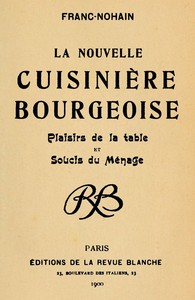
La nouvelle cuisinière bourgeoise: Plaisirs de la table et soucis du ménage
On the surface, this is a practical guide for the middle-class French homemaker of the late 1800s. It's filled with recipes, tips for managing servants, and advice on household economy. But the plot, so to speak, is in the character Franc-Nohain creates. He writes the entire book in the voice of an experienced, no-nonsense cook. Through her, we don't just learn how to make a good sauce; we hear her complaints about lazy scullery maids, her pride in a well-set table, and her firm beliefs on everything from market shopping to entertaining guests. The book becomes a dialogue between this fictional authority and the reader, pulling back the curtain on daily life, social expectations, and the unspoken rules of the bourgeois home.
Why You Should Read It
I loved this book because it's a delicious slice of social history that doesn't feel like homework. The cook's voice is wonderfully alive—sometimes fussy, often funny, and always pragmatic. You get a real sense of the pressures and pleasures of running a household in that era. It's about the anxiety of keeping up appearances and the genuine joy found in creating a good meal. Reading it, I kept thinking about how much has changed, but also how much hasn't. The desire to feed people well and create a welcoming home is timeless.
Final Verdict
Perfect for foodies with a curiosity for history, or anyone who enjoys peeking into the intimate details of how people lived in the past. It's not a novel with a thriller plot; it's a quiet, insightful character study of an era, served up one recipe and one piece of advice at a time. If you like the idea of time-traveling to a French kitchen, this is your book.
This content is free to share and distribute. Distribute this work to help spread literacy.









John Davis
1 year agoGreat read!