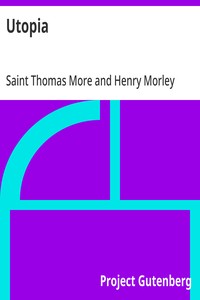
Utopia by Saint Thomas More
*Utopia* by Thomas More is one of those books that feels like a secret handshake—people know the word, but hardly anyone has actually read it. Let's fix that.
The Story
It starts with More chatting with a friend and a weird traveler named Raphael Hythloday. Raphael claims he visited an island called Utopia. The name literally means 'no place' in Greek, so More is already winking at you. This island, says Raphael, is flawless. Everyone lives in identical houses, works a six-hour day, and eats in giant communal halls. No one owns anything, so there's no greed. Crime? Nope. Money? Bronze is for fancy China; gold is used for—get this—toilet chains. The whole society runs on logic and kindness.
But remember, it’s 1516. Europe is a mess of kings and poverty. More's character is skeptical: he asks how you can live without personality or privacy. Hythloday insists it’s the only way to be happy. And then the book ends, open-ended. You, the reader, are left wondering if Raphael is a prophet or a fool.
Why You Should Read It
First off, it's hilariously modern. People today still argue about universal basic income and the meaning of work—Thomas More was there five centuries ago. He wrote it like a satire, and I think he was poking fun at those who have simple answers to complex problems. But he also genuinely shows why a place without ownership might be kinder than our world. The chapters on poor laws in Europe still sting today—starvation while families hoard treasure.
The theology in there is careful—no promiscuity, lots of worship—but the boldest idea is that people in Utopia are good simply because it’s reasonable, not because of religious fear. That’s fire for 1516. He wrote this while working for King Henry VIII, a ruler who would later chop off More’s head for not backing down on his faith. So the book’s radical politeness hides a spiky middle finger to power.
What hit me hardest: is a perfect world peaceful or soul-crushing? The unvarnished houses, arranged marriages—could you be special? Could you be rebellious? Maybe a flawed, messy real world is worth more. More was too smart to just cheer for Utopia.
Final Verdict
Don’t pick up this book expecting Lord of the Rings. It’s short, sharper than a lawyer (because he was one), and almost flirting with irony. *Perfect for history buffs, truth seekers, and anybody who has felt queasy at a shopping mall. Warning: you may start measuring your government against an imaginary island.* Skip if you need car chases. Read if you need a head spin.”
This digital edition is based on a public domain text. Distribute this work to help spread literacy.